3 min read
Read guideHow to grow microgreens at home in Australia
Learn how to grow microgreens at home: choose seeds and a tray, prepare medium, sow, check water and light, then harvest and record your crop.
Find growing instructions, help with watering and mould, variety guides, meal ideas and cost calculators. For chefs and businesses, compare supply options, portions and service requirements.
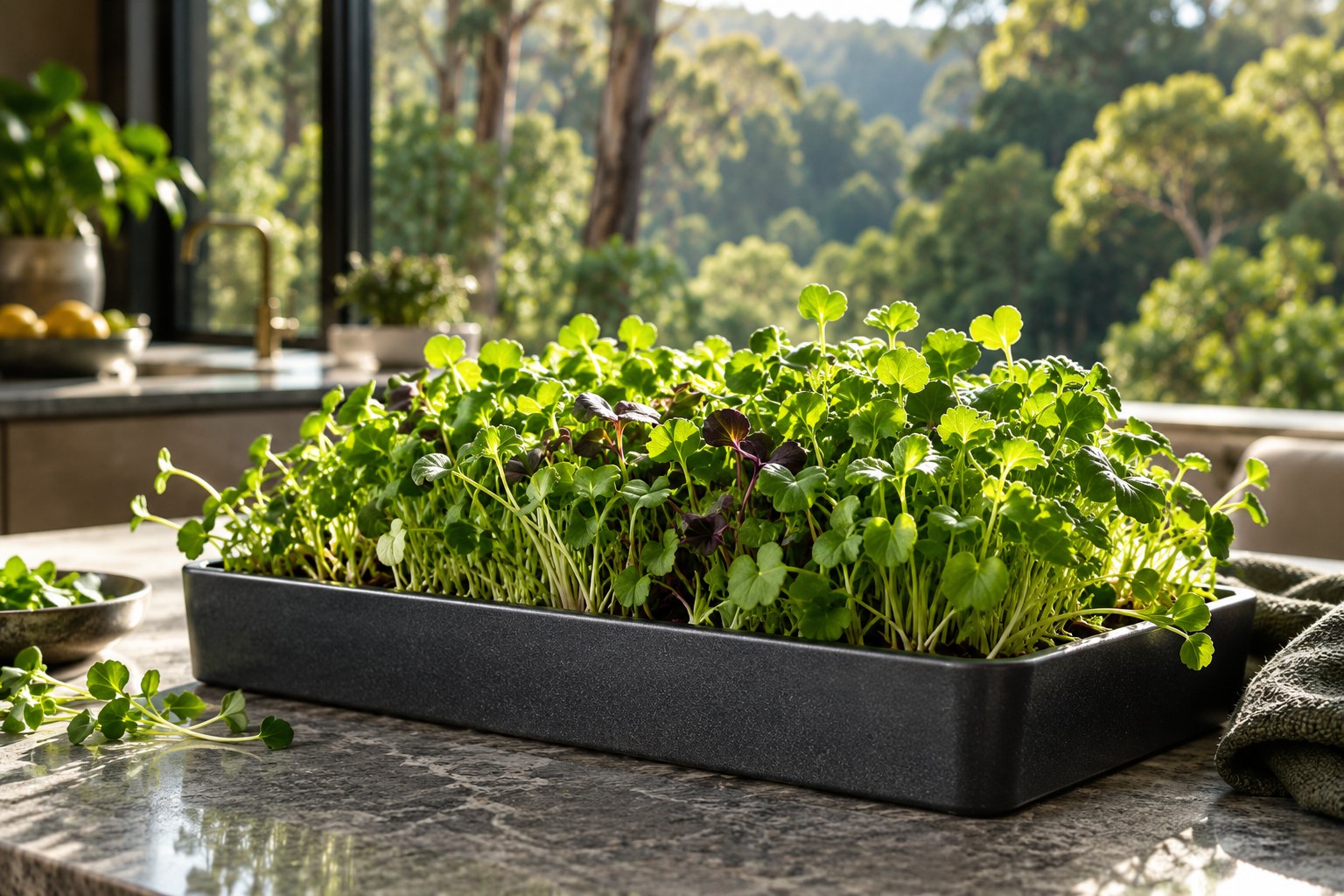
Learn how to grow microgreens at home: choose seeds and a tray, prepare medium, sow, check water and light, then harvest and record your crop.
Read the beginner’s guide49 practical guides, six ways to explore.
Your first tray, your growing space and the questions to ask before you sow.
Learn how to grow microgreens at home: choose seeds and a tray, prepare medium, sow, check water and light, then harvest and record your crop.
Choose your first microgreens by flavour, growing instructions and the meals you want to make—not just the prettiest packet.
Compare what you grow, what you eat and the equipment each method needs before choosing your first crop.
Understand nutrient measurements, serving sizes and why a microgreen garnish is part of a varied diet.
Check species, seed treatment, batch information and storage before starting an edible crop.
Assess a windowsill, bench or balcony for light, access, drainage and everyday practicality.
Fit microgreens into your week with daily inspection cues, between-crop cleaning and sowing quantities based on the meals you actually make.
Variety guides, watering, light, harvesting and troubleshooting.
Assess window light, germination covers and grow lights for indoor microgreens. Check coverage, placement and the signs of uneven light.
Check root hairs versus suspected mould, decide when to discard a crop and review moisture, seed density, airflow and tray cleaning.
Cut your crop cleanly, keep it fresh and plan the next tray with this practical harvest-to-fridge guide.
Use your first crops to build a sowing rhythm that fits your meals, space and refill needs.
Understand which preparation steps depend on the crop, and avoid applying one germination routine to every seed.
A practical sequence for checking timing, moisture, temperature and seed history without changing everything at once.
Work from growing area and crop-specific directions, with a simple scaling example and a method for comparing sowing rates.
Check moisture by growth stage, understand bottom watering and avoid using a fixed daily amount for every tray.
Use symptoms and growing history together to investigate weak seedlings and unexpected flavour.
Choose a protected growing position and respond to unwanted visitors without improvised sprays on edible shoots.
Adjust your growing position for heat, cool rooms, humidity and changing daylight rather than relying on a city-based timetable.
A practical reset for trays, catch trays and harvesting tools, with material-compatible cleaning and drying.
Grow broccoli microgreens with an even sowing, daily moisture checks and clean harvesting. Includes a published timing example and meal ideas.
Grow radish microgreens for peppery meals. Learn seed preparation, even sowing, light checks and harvest timing from a published growing example.
Learn how to grow edible pea shoots: choose seed, check soaking instructions, sow evenly and harvest tender shoots. Includes a published timing example.
Plan a sunflower crop around suitable seed, consistent germination and careful hull handling.
Compare these aromatic crops, their preparation needs and how to plan around a slower herb harvest.
Understand the limits of appearance and rinsing, and find official guidance for raw produce and people at greater risk.
Sort roots, mats and packaging by material, and check your compost or local collection rules.
Plan a small peppery crop, distribute fine seed evenly and use the harvest as a deliberate flavour accent.
A guide to young rocket, also called arugula, with a focus on fine seed, harvest stage and peppery meal pairings.
Grow beetroot microgreens with crop-specific seed preparation, even moisture and patient germination checks. Learn what to record and when to investigate.
Understand gel-forming chia seed and plan a small edible crop with suitable materials and clear growing instructions.
Meal ideas, flavour pairings and ways to use your harvest.
From avocado toast to grain bowls: simple meal combinations that make a small harvest useful throughout the week.
Understand why a generic drying time is unreliable and how to assess a suitable food-preservation method.
Compare equipment, running costs, refills and the practical details.
Compare fit, watering, cleanup and refill costs before choosing the growing medium for your kitchen tray.
A buying checklist for Australian homes: tray size, seed instructions, refill compatibility and the details to check before ordering.
Calculate lighting energy from power, hours and your tariff, then separate it from the full cost of growing.
Match a growing gift to the recipient’s space, routine and cooking interests, and check what is actually included.
Use your delivered input costs and usable harvest to compare growing with buying, including failed crops and time.
Compare what is actually used and discarded across growing and buying, without assuming one option is always greener.
A supervised growing project with observations, questions and a simple record to keep.
Compare growing and buying costs, plan service and assess retail supply.
Compare purchased greens, living trays and growing on site against service reliability, labour, space and food handling.
Use a structured tasting and plating comparison to choose a garnish that contributes to the dish.
Design a clear handover from receiving or growing to clean cutting, portioning and service.
Compare purchased and grown microgreens with labour, equipment, crop losses and real portion sizes included.
Track cut greens, living trays and on-site crops using the same boundaries before claiming waste or delivery savings.
Assess heat, condensation, packaging, texture and handling under the conditions your customers actually experience.
Build an event garnish plan with confirmed quantities, delivery checks, handling responsibilities and a backup.
Plan a growing display that is practical to maintain and clear about what customers are seeing.
Use a practical demonstration and handover checklist for crop identification, cutting, portioning and care.
Assess supplier information, shelf care, sell-through, labelling and customer instructions before adding living trays to your range.
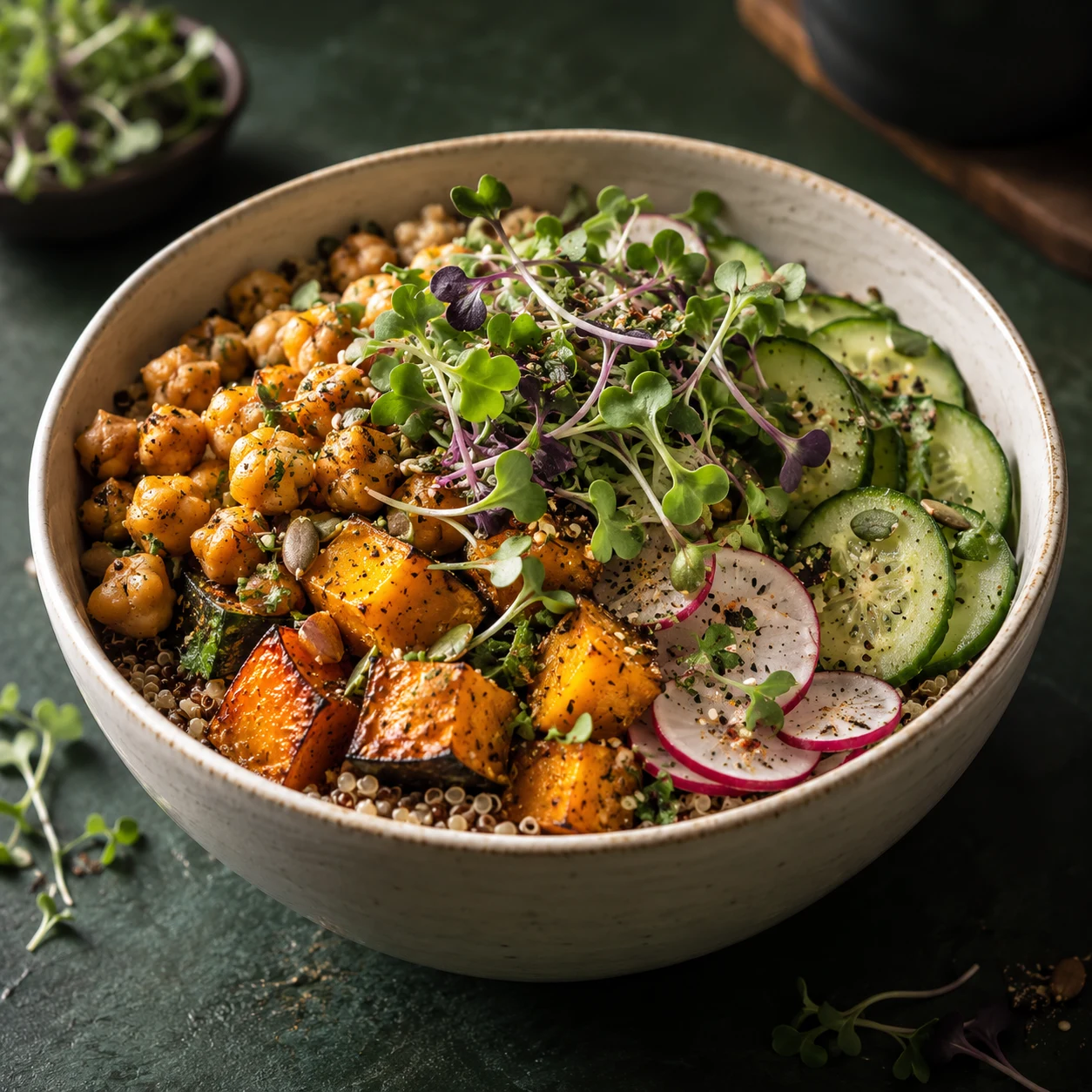
From avocado toast to grain bowls: simple meal combinations that make a small harvest useful throughout the week.
Read the guide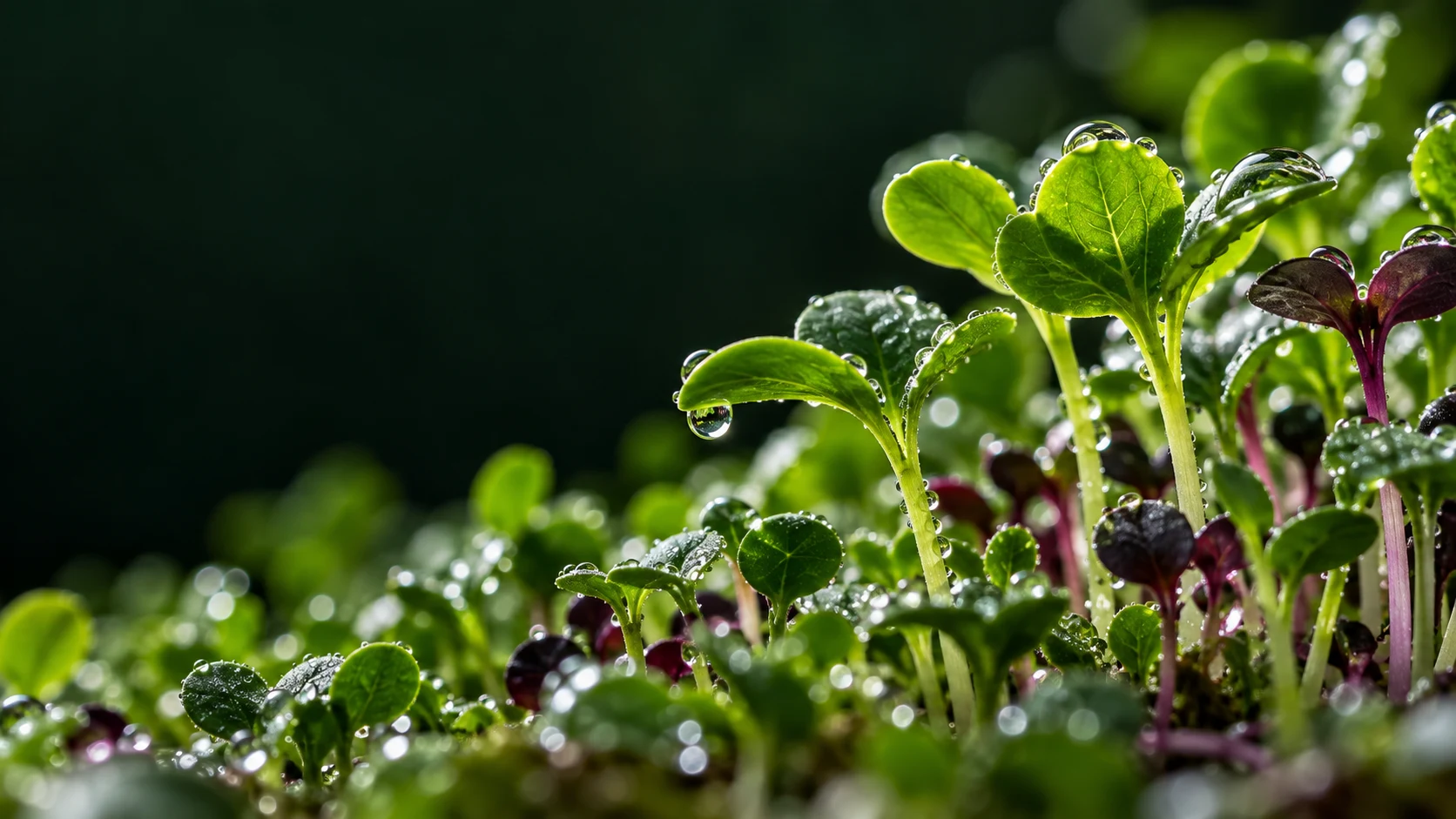
Learn how to grow edible pea shoots: choose seed, check soaking instructions, sow evenly and harvest tender shoots. Includes a published timing example.
Read the guideUse a structured tasting and plating comparison to choose a garnish that contributes to the dish.
Read the guideJoin for the opening date, final kit contents, prices and Australian delivery details.