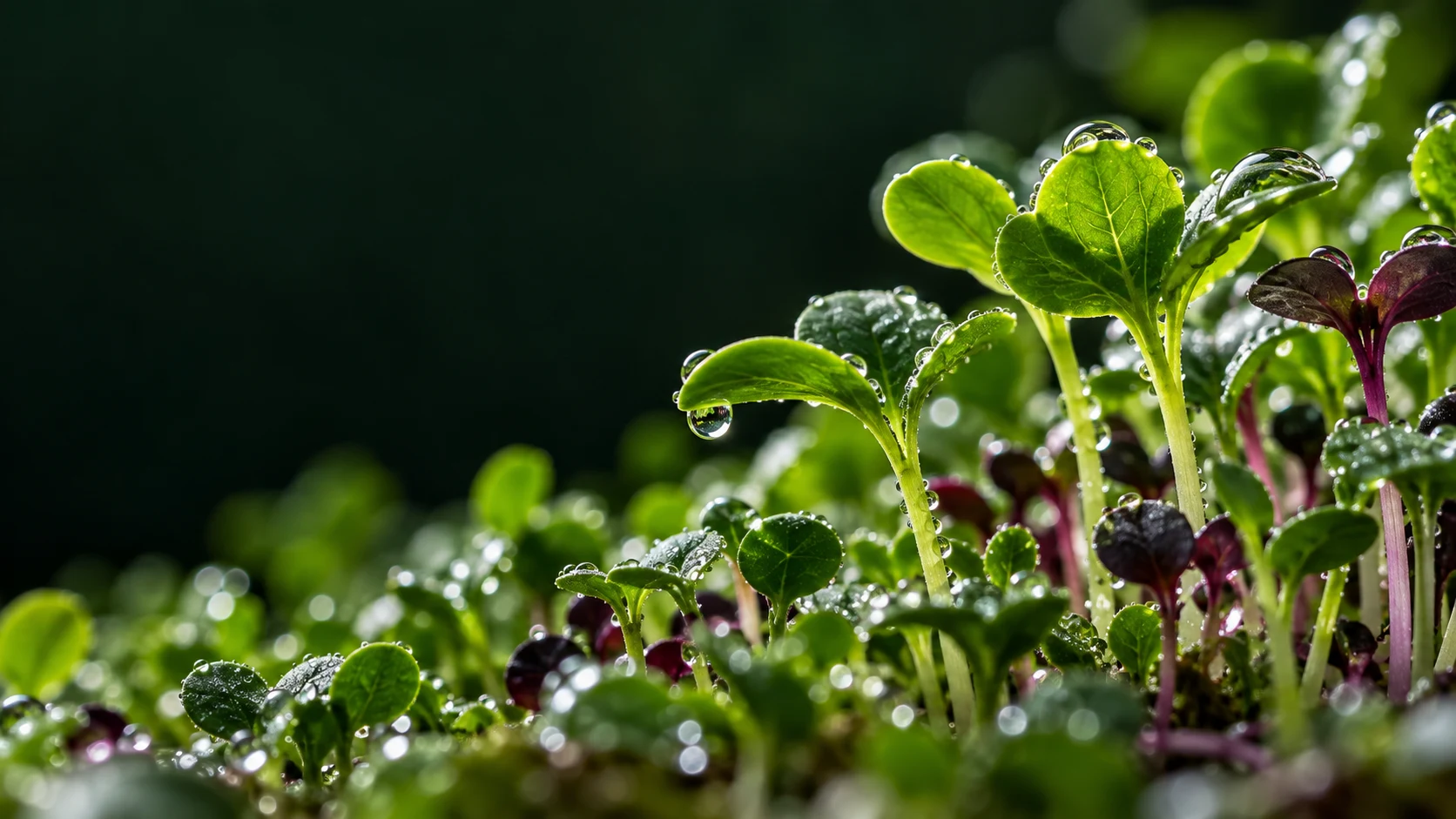
Follow beetroot-specific seed preparation, use the intended sowing rate and allow time for establishment. Keep the crop separate from fast-growing varieties and harvest sound shoots above the medium.
Beetroot develops differently from a fast radish crop. Sow it separately and record emergence, moisture and harvest stage so you can judge its progress on its own timetable.
Preparing beetroot seed
Beetroot seed units are often irregular clusters rather than uniform little spheres. Read the supplier’s guidance on preparation and sowing. A rate expressed for broccoli seed cannot be transferred by spoonful.
University of Florida guidance includes beetroot among seeds that may benefit from soaking. Recommendations vary by method, so choose the instructions for your seed rather than combining unrelated soaking and covering schedules.
Sowing and germination
Prepare an even layer of suitable medium, measure the portion and distribute it carefully. Keep a record of any soak or cover used. Note the first emergence date separately from the date the tray develops a useful canopy.
Illinois Extension places beet among slower-germinating choices. Do not discard a sound tray solely because the radish sown beside it has already progressed further. Compare with the packet’s expected window and inspect for genuine problems.
Moisture and growth checks
Check whether emergence differs between the edges and middle. A photograph and a brief moisture note can help separate a distribution issue from a general slow start. Do not add extra seed into bare patches halfway through the crop.
Use appropriate light once established and follow a compatible watering method. If the crop shows spoilage or abnormal collapse, stop harvesting rather than treating extra time as the solution.
Harvesting and deciding when to sow again
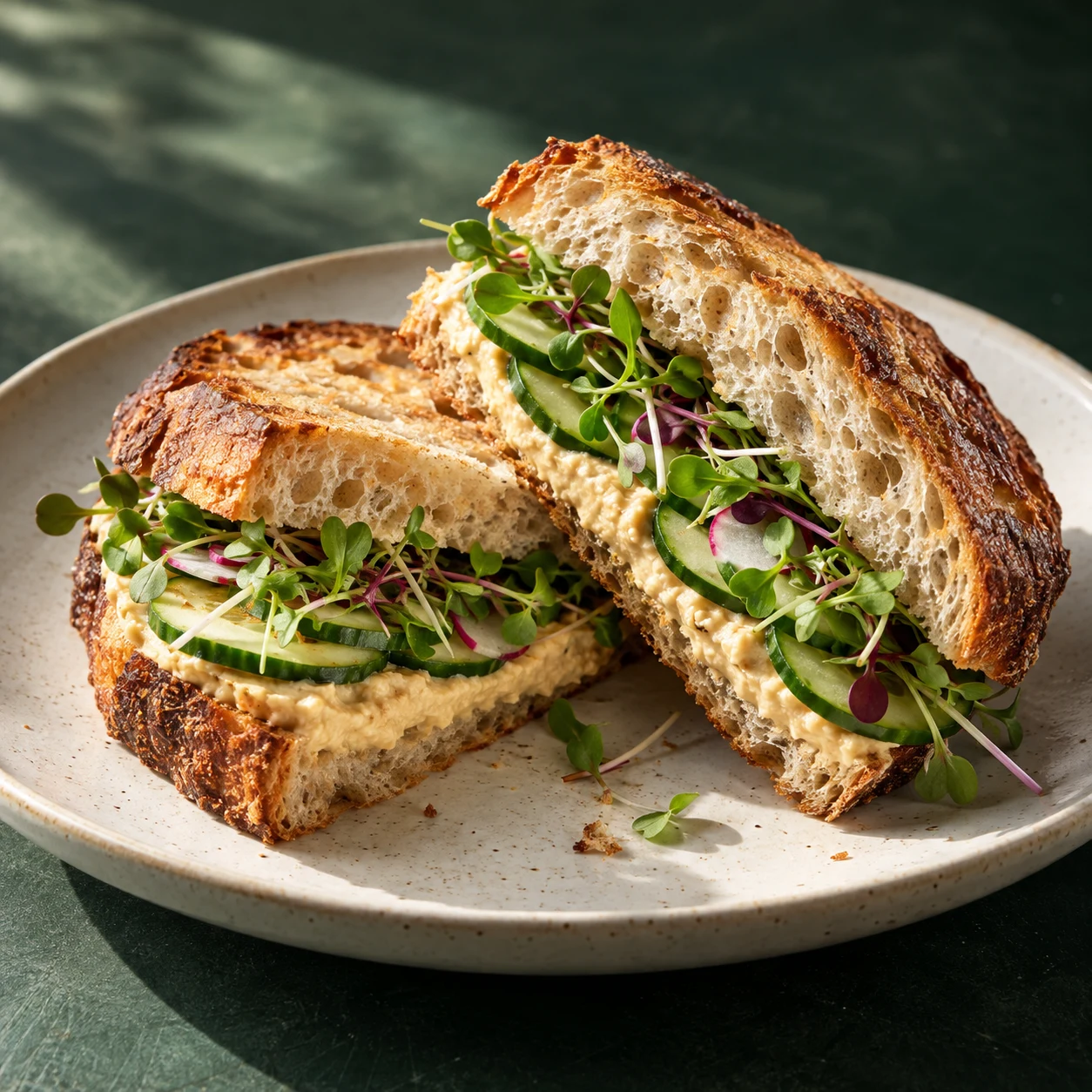
Try a small sound harvest with a meal where colour and an earthy note are welcome, such as a grain bowl or roast-vegetable plate. Keep the serving purpose simple so you can decide whether you like the crop.
Record occupied growing days, usable weight and how much you ate. A visually interesting variety may still be an occasional crop if another one better suits your everyday meals.