You do not need a new cooking routine to use a tray of greens. Start with a meal you already make and use the harvest as a finishing ingredient. These serving ideas are flexible: adjust the amounts to your appetite, the variety and whatever is in the fridge.
Treat microgreens as a fresh finishing ingredient. Use a mild variety where you want gentle flavour and a peppery one where you want contrast. Wash fresh greens under running water before eating.
1. Avocado, lemon and radish toast
Toast a slice of bread, spread with mashed avocado and add a squeeze of lemon. Finish with a small handful of radish microgreens, black pepper and a drizzle of olive oil. Start with fewer greens if you are new to their peppery flavour.
For a different version, replace the avocado with ricotta or a thick spread of hummus. Keep the greens for the final step so they stay distinct from the creamy topping.
2. A better everyday sandwich
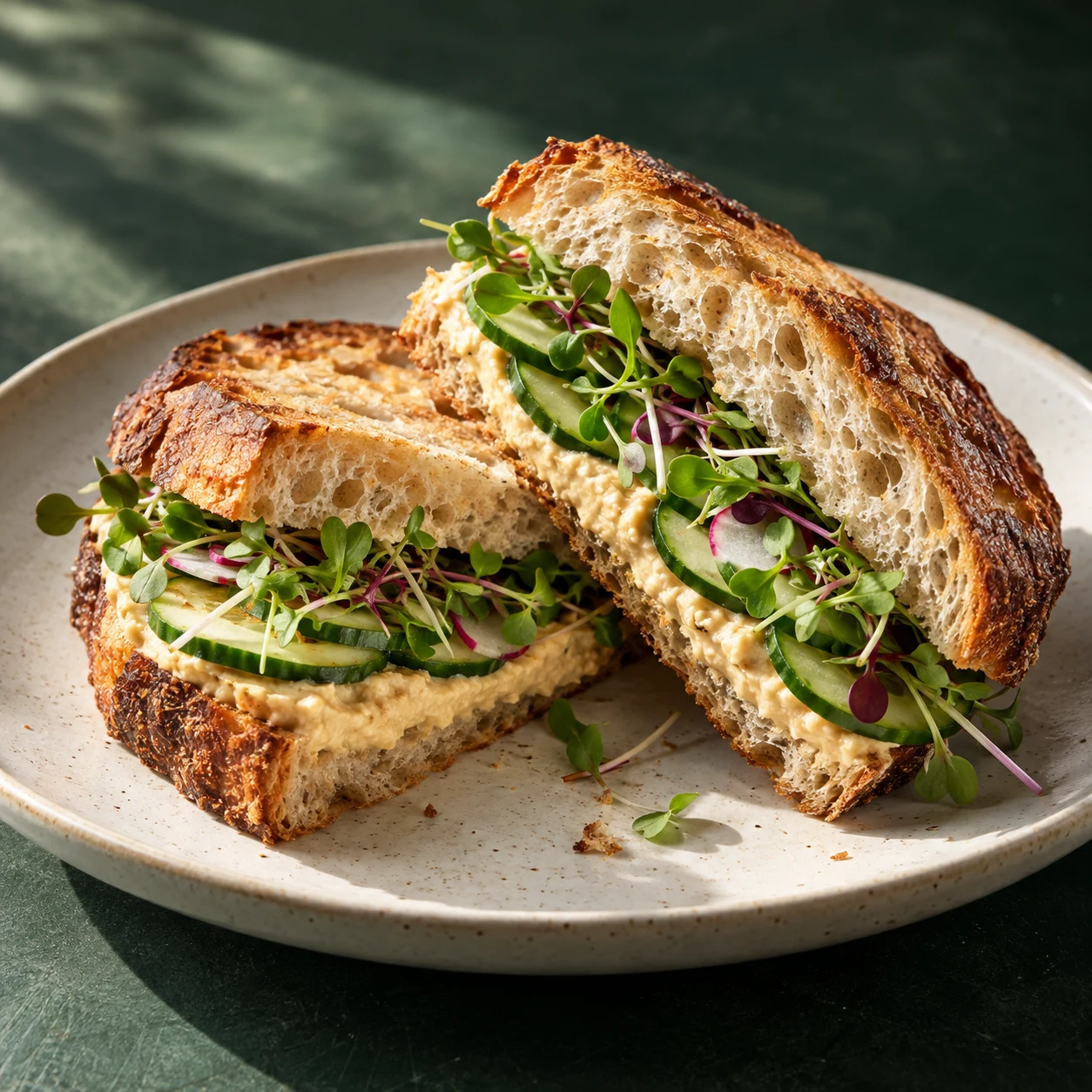
Spread two slices of bread with hummus, add sliced cucumber and grated carrot, then tuck in mild microgreens. Pat washed greens dry first so the filling does not make the bread soggy.
If lunch is travelling, pack the greens separately in a chilled container and add them when eating. Try the same filling in a wrap, with a spoonful of yoghurt dressing or tahini adjusted with lemon and water.
3. Roast vegetables and a grain bowl
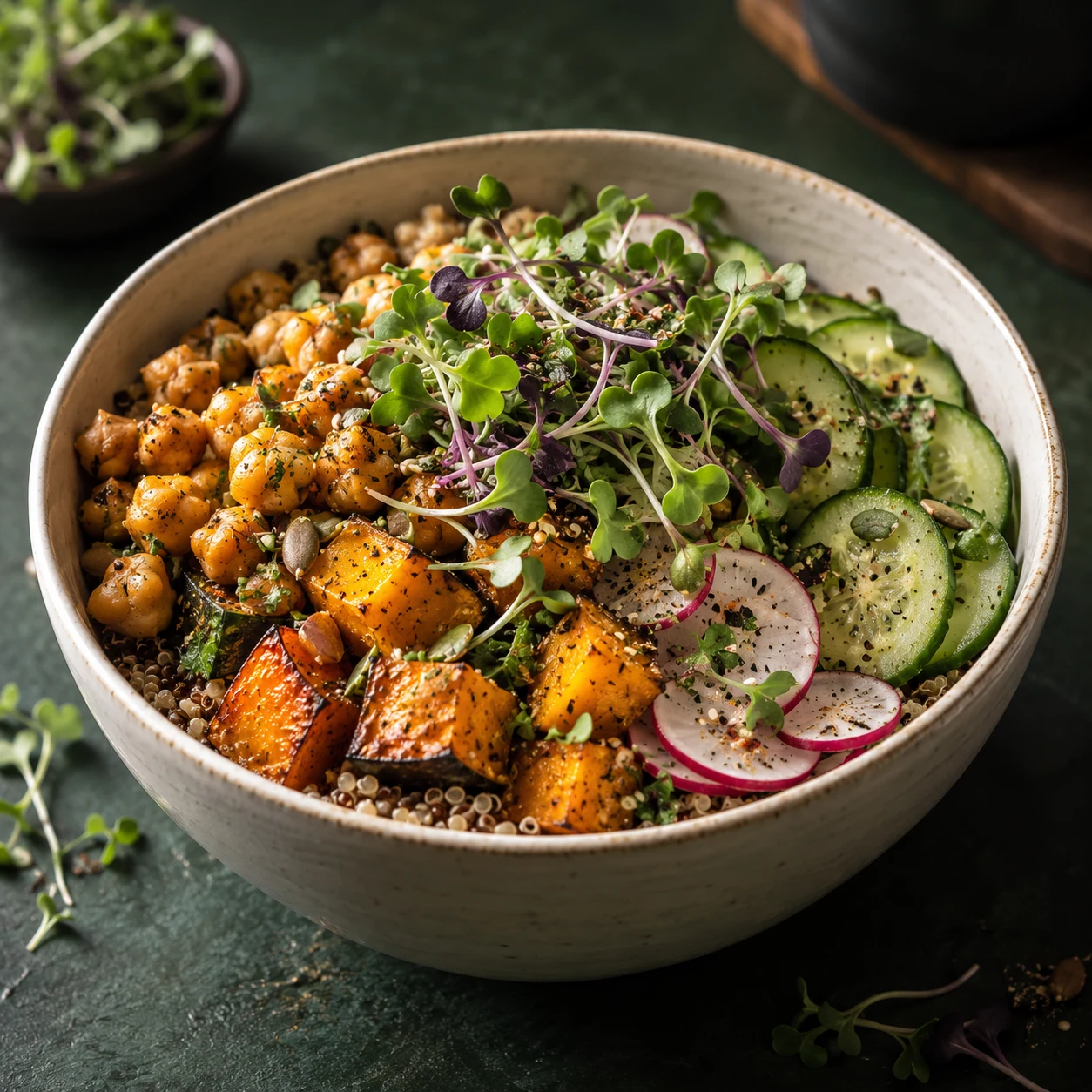
Use cooked rice, quinoa or another favourite grain as the base. Add roasted pumpkin or cauliflower, chickpeas and a dressing of your choice. Finish with microgreens just before serving.
A useful assembly pattern is one grain, one substantial vegetable, one protein source and something fresh. It keeps the meal flexible without making the greens carry the whole bowl.
4. Greens on eggs
Prepare eggs using your usual method, then add mild microgreens at the table. Serve with toast and sliced tomato. The greens make a small finish rather than disappearing into the pan.
For a plant-based version, use a tofu scramble and add the greens after cooking. A squeeze of lemon or a little chilli oil can change the flavour without changing the basic meal.
5. A crisp taco topping
Fill warm tortillas with cooked beans, roasted vegetables or another fully cooked filling. Add avocado, a little salsa and peppery microgreens. Taste the salsa first so you can balance the heat with the greens.
Put the toppings in separate bowls and let everyone build their own. This is an easy way to introduce a new variety without committing every taco to the same flavour.
6. A fresh finish for soup
Ladle pumpkin, tomato or lentil soup into a bowl. Add a spoonful of yoghurt if you like, then finish with a few greens immediately before eating. Keep the remaining harvest chilled instead of putting the whole container beside the stove.
This also works with a warm bean stew. The contrast is the point: use enough greens to notice, rather than stirring them in long before serving.
7. A small handful in a bigger salad
Combine chopped cucumber, tomato and a drained tin of chickpeas with olive oil and lemon. Fold in microgreens gently just before eating. Use them alongside other salad ingredients rather than expecting one small tray to fill a family-sized bowl.
Change the dressing or add a crunchy topping to make it feel different next time. Keep a note of which variety you enjoyed most with each meal.
Make the harvest part of your week
Choose two of these ideas before your next crop is ready. Put the supporting ingredients on your shopping list and note how much of the harvest you used. If you regularly have greens left over, sow a smaller amount next time.
Follow normal food handling guidance, including washing produce and keeping perishable ingredients cold. Microgreens are an ingredient to enjoy, not a reason to make unsupported health promises.